Master Bostock: 4 Tips for Perfect Almond Cream and Crispy Crunch
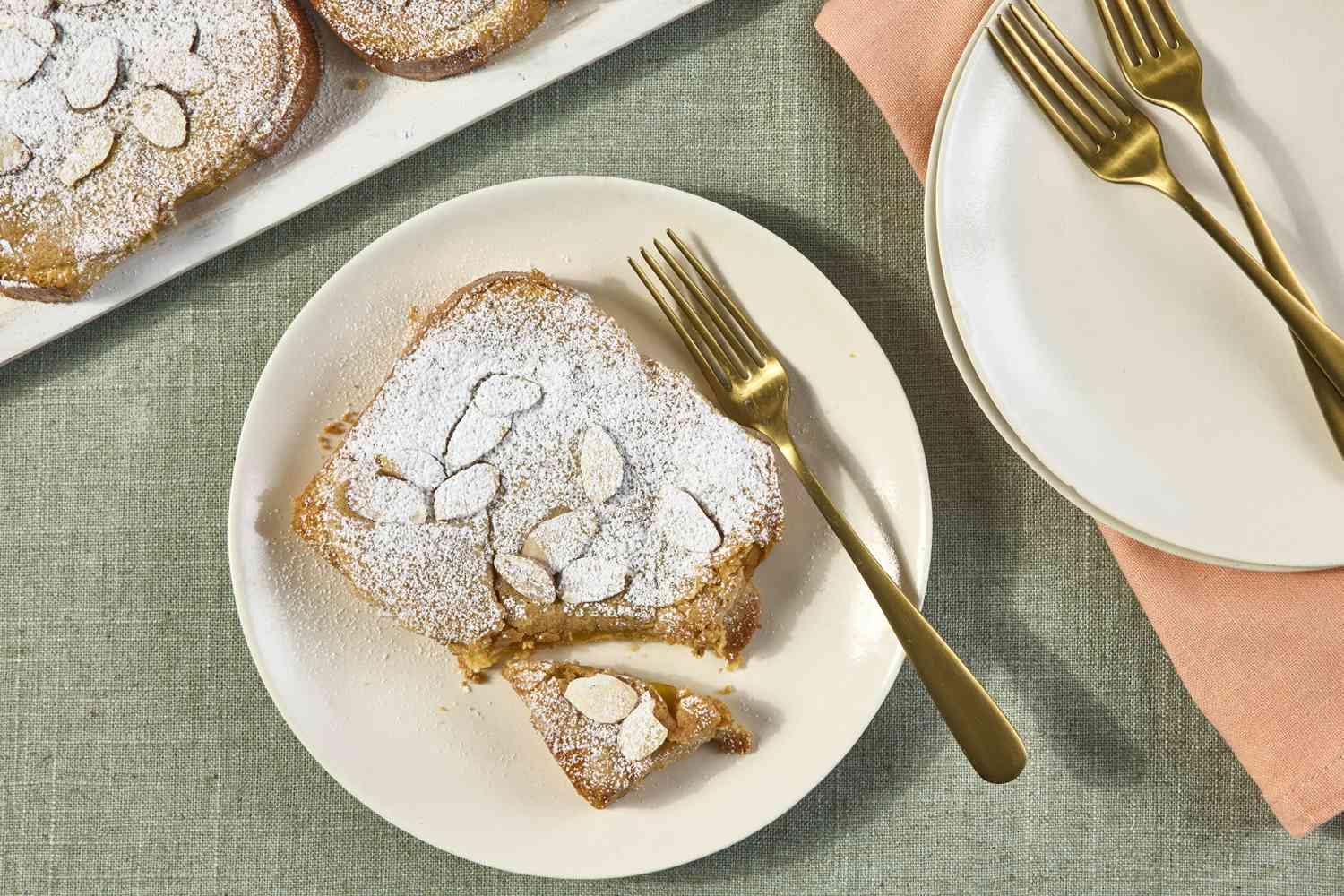
Bostock, a delightful French pastry that masterfully marries the comforting familiarity of French toast with the sophisticated allure of an almond croissant, is a true culinary gem. It's a testament to the power of transformation, elevating humble day-old bread, most often brioche, into an irresistible gourmet treat. Imagine soft, sweet bread drenched in fragrant almond cream, adorned with crunchy toasted almonds, and baked to golden perfection. If you're searching for a "bostock recipe" that promises bakery-quality results right from your home kitchen, you've come to the right place. This article will guide you through the essential techniques and nuanced tips to achieve not just good bostock, but truly spectacular bostock, focusing on the luscious almond cream and that all-important satisfying crunch.
The Magic of Bostock: From Humble Bread to Gourmet Delight
The origin of bostock is rooted in practicality and ingenuity, a common theme in classic French baking. Professional kitchens, much like our own homes, often find themselves with surplus bread. While toast, sandwiches, or croutons are viable options, bostock offers an unparalleled way to repurpose these loaves. It's a pastry that feels indulgent but is surprisingly simple to prepare, especially when compared to its labor-intensive cousin, the almond croissant.
At its core, bostock is an assembly rather than a complex bake from scratch. It begins with slices of sweet, day-old bread – brioche being the traditional and highly recommended choice due to its rich, buttery crumb. This bread acts as a sponge, eagerly soaking up the flavors to come. The magic truly happens with the generous spread of almond cream, a rich, nutty concoction, and a final flourish of sliced almonds before a transformative bake. The result is a pastry that boasts a delicate balance of textures and flavors, making it an ideal companion for a morning coffee or an elegant afternoon indulgence.
Elevating Your Almond Cream: Fragrance, Flavor, and Finesse
The soul of any great bostock lies unequivocally in its almond cream. Often mistaken for frangipane (a related, but typically richer cream that includes pastry cream), almond cream is what delivers that signature rich nuttiness. Mastering its creation is paramount to achieving a truly unforgettable bostock.
Tip 1: Toast Your Almond Flour for Unmatched Aroma
This simple step is a game-changer and arguably the most impactful enhancement you can make to your almond cream. While using untoasted almond flour is acceptable, lightly toasting it beforehand unleashes a deeper, more complex nutty aroma and flavor profile that will elevate your bostock to professional levels.
*
How to do it: Spread your almond flour thinly on a baking sheet. Toast in a preheated oven at 300°F (150°C) for 5-7 minutes, or gently in a dry skillet over medium-low heat, stirring frequently, until it's lightly golden and wonderfully fragrant. Be careful not to burn it, as almond flour can go from toasted to burnt very quickly. Let it cool completely before incorporating it into your cream. This technique, inspired by experts like Zola Gregory, truly makes a difference.
Tip 2: Season Generously for Depth and Complexity
Almond cream benefits immensely from thoughtful seasoning. It’s not just about sweetness; it’s about creating a symphony of flavors that complement the almonds.
*
Almond Extract: This is a must for intensifying the almond flavor, giving it that classic "almond croissant" essence. Use a good quality extract for the best results.
*
Vanilla Extract: A touch of vanilla adds warmth, rounds out the flavors, and prevents the almond from being one-dimensional.
*
Brandy or Other Liqueur: A splash of brandy, rum, or even Amaretto introduces a sophisticated depth and subtle warmth. The alcohol bakes off, leaving behind a nuanced flavor that elevates the pastry without being overtly boozy. If you prefer to omit alcohol, a few drops of orange blossom water or rose water can add an intriguing floral note.
Tip 3: Achieve the Perfect Cream Consistency
While almond cream is thick and spreadable at room temperature, its final texture after baking should be moist and cake-like. Ensure your cream is smooth and homogenous, without any lumps. If making it from scratch, combine softened butter, sugar, toasted almond flour, eggs, and your chosen extracts/liqueur until well combined. Homemade almond cream can be stored in the refrigerator for up to a week, making this a fantastic make-ahead component for your
Bostock Recipe: Turn Leftover Bread into a Gourmet French Pastry. Alternatively, you can find quality almond cream at specialty grocers or online, saving you a step without sacrificing flavor.
The Secret to a Moist Interior and Crispy Exterior
Beyond the almond cream, two other elements are crucial for a truly outstanding bostock: ensuring the bread remains moist and delivering that essential textural contrast.
Tip 4: Incorporate Fruit for Moisture and Flavor Balance
Adding a fruit element does more than just enhance flavor; it plays a vital role in keeping your bostock deliciously moist and providing a delightful counterpoint to the sweetness of the almond cream.
*
Orange Juice (or other citrus): Before applying the almond cream, brush both sides of your bread slices with fresh orange juice. This simple step infuses moisture into the bread, preventing it from drying out during baking and adding a subtle, refreshing citrus note. Store-bought juice works perfectly fine if fresh isn't available.
*
Orange Marmalade (or other jam): Spreading a thin layer of orange marmalade directly onto the bread before topping it with almond cream is a revelation. Marmalade, with its bittersweet zest and complex citrus notes, beautifully offsets the richness and sweetness of the almond cream. It also adds another layer of moisture and a pleasant chewiness. Other options include apricot jam, raspberry jam, or even lemon curd for a brighter pastry.
Tip 5: The Essential Sliced Almond Topping for Crunch
While the almond cream is soft and cake-like, bostock needs a textural counterpoint to truly sing. This comes from a generous topping of sliced almonds.
*
Why it's crucial: As the bostock bakes, these thin almond slices toast and become wonderfully crisp. This provides a necessary and satisfying crunch with every bite, contrasting beautifully with the soft interior. Beyond texture, they also add an additional layer of toasted nutty flavor and visual appeal. Don't skimp on them!
Tip 6: Bake Until Just Firm and Golden Brown
The baking process transforms the raw almond cream into its final cake-like state. Knowing when it’s done is key to achieving the perfect texture.
*
What to look for: As the bostock bakes, the almond cream will puff up beautifully. You'll know it's ready when the cream is just firm to the touch in the center, and the sliced almonds, along with the edges of the bread, are deeply golden brown. This usually takes about 15-20 minutes in a moderate oven (around 350-375°F or 175-190°C), but keep a close eye on it as oven temperatures can vary. Baking slightly longer to achieve that deep golden hue ensures maximum flavor and crispness on the exterior.
Beyond the Basics: Customizing Your Bostock Experience
Once you've mastered the foundational "bostock recipe" using these tips, feel free to get creative and personalize your pastries.
*
Bread Variations: While brioche is king, experiment with other sweet breads like challah or even a sturdy pain de mie. For a uniquely sophisticated twist, try using a day-old sourdough for a subtle tang that beautifully contrasts the sweet almond cream.
*
Flavor Enhancements: Beyond orange, consider adding lemon zest directly into your almond cream, a pinch of cardamom for an exotic warmth, or even a touch of espresso powder for a coffee-almond delight.
*
Additional Toppings: After baking and cooling slightly, a dusting of powdered sugar adds a classic finish. For extra indulgence, a light drizzle of a simple sugar glaze (powdered sugar mixed with a little milk or citrus juice) can be lovely.
*
Serving Suggestions: Bostock is incredibly versatile. It makes for an elegant breakfast or brunch item, a sophisticated afternoon tea pastry, or a light dessert. Serve it warm, perhaps with a dollop of crème fraîche or a scoop of vanilla bean ice cream for an extra treat.
Bostock truly is the ultimate French toast, often putting traditional versions to shame with its refined flavors and textures. It also offers a significantly easier path to French pastry perfection than homemade croissants. For more insights into its appeal, read our article:
Why Bostock is the Ultimate French Toast (And Easier Than Croissants).
With these comprehensive tips, you are now equipped to transform simple ingredients into a gourmet French pastry that will impress anyone who tastes it. Go forth and master your bostock, reveling in every fragrant, tender, and crispy bite.